
GERD and Fundoplication
- posted: Apr. 24, 2025
Fundoplication is an ani-reflux surgery that doctors recommend to treat severe GERD (gastroesophageal reflux disease) in people who do not respond to medications or cannot take medicine for any reason.
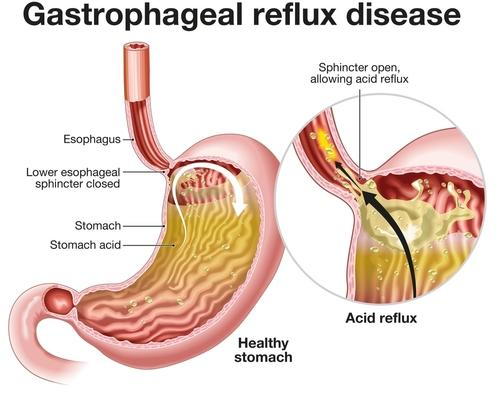
GERD happens when the sphincter muscles that regulate the opening between the esophagus and the stomach weaken allowing the food and stomach acid to return from the stomach to the esophagus.
A hiatal hernia may worsen the symptoms of GERD. It occurs when the stomach bulges into the chest through the diaphragm. The symptoms of acid reflux or GERD include:
- A burning sensation in the stomach, chest, or throat
- Trouble swallowing food or fluids
- Burping or gas issues
What is fundoplication (GERD) surgery?
Fundoplication is a surgical procedure that wraps the stomach fundus (the stomach’s upper part that bulges around the esophagus) around the esophagus. This recreates the lower esophageal sphincter pressure preventing acid reflux.
Types of the Fundoplication Procedures
Nissan 360-degree wrap (complete fundoplication):
The procedure is the gold standard in treating GERD symptoms in people and is the most commonly done anti-reflux procedure. It involves wrapping the fundus completely around the bottom of the esophagus. The surgery repairs the valve at the end of the esophagus that fails to work properly in people with GERD.
Nissan fundoplication is not advised in people with achalasia as it may affect peristalsis, the movement that helps send food down the esophagus.
Toupet 270-degree wrap (posterior fundoplication):
The procedure involves wrapping the fundus about two-thirds of the way around the back of the esophagus. This creates a valve that allows people with GERD to release gas through burp or vomit as necessary.
Watson 180-degree wrap (anterior fundoplication):
The procedure involves reconstructing the part of the esophagus next to the diagram. The fundus is wrapped around the front of the esophagus and stitched to the diaphragm tissue.
Why is the fundoplication procedure performed?
The procedure is performed when:
- The symptoms do not resolve after taking medicines or making lifestyle changes.
- Taking medications long-term is not preferred.
- There is scarring, narrowing, bleeding, or ulcers in the esophagus.
- When GERD causes chronic cough, hoarseness, or aspiration pneumonia.
- Para-esophageal hernia exists where a part of the stomach gets twisted or stuck in the chest.
Fundoplication Complications
The complications of the fundoplication procedure include:
- Damage to the lining of the esophagus, stomach, liver, small intestine, or the tissues surrounding the lungs
- A buildup of gas in the stomach
- Nausea and gagging
- Inability to vomit when needed
- Risks of bleeding and infection
- Pain and difficulty in swallowing (dysphagia)
- Lung infections like pneumonia
- A return of hiatal hernia or acid-reflux syndrome
Fundoplication Procedure
Fundoplication surgery is typically done under general anesthesia where an intravenous (IV) tube is placed into the veins for anesthesia and fluid regulation during surgery.
Your healthcare practitioner may recommend tests including:
- Blood tests
- Esophagus X-rays
- Esophageal manometry: It measures esophagus pressure or pH monitoring
- Upper endoscopy
During the surgery:
The surgeon will:
- Repair the hernia by tightening the diaphragm opening with stitches to prevent the stomach from bulging through the muscle wall.
- Wrap the fundus around the bottom of the esophagus. This prevents the reflux of stomach acid and food to the esophagus.
Fundoplication techniques:
The surgery typically takes around 2 to 3 hours when the surgeon uses techniques like:
- Open repair: The surgeon makes one large cut on the belly through which a tube is inserted into the stomach to keep the stomach wall in place;
- Laparoscopic surgery: The surgeon makes 3 to 5 small cuts in the belly. A tube with a camera (laparoscope) is inserted into the stomach that is attached to a video monitor. The surgeon performs the procedure while viewing the interior of the belly through the monitor.
- Endoluminal fundoplication: The new procedure is done without making any cuts. Using an endoscopy, the surgeon puts small clips in places where the esophagus connects to the stomach. The clips prevent acid reflux.
Sources:
https://www.mcw.edu/departments/surgery/divisions/minimally-invasive-and-gastrointestinal-surgery/patient-care/gerd-and-gastrointestinal-surgery-program/gastroesophageal-reflux-disease-gerd/laparoscopic-nissen-fundoplication-gerd-surgery#:~:text=During%20surgery%2C%20the%20top%20of,properly%20in%20patients%20with%20GERD.
https://www.mcw.edu/departments/surgery/divisions/minimally-invasive-and-gastrointestinal-surgery/patient-care/gerd-and-gastrointestinal-surgery-program/gastroesophageal-reflux-disease-gerd/laparoscopic-nissen-fundoplication-gerd-surgery#:~:text=During%20surgery%2C%20the%20top%20of,properly%20in%20patients%20with%20GERD.
https://www.healthline.com/health/gerd/fundoplication
https://www.mayoclinic.org/diseases-conditions/gerd/multimedia/gerd-surgery/img-20006950
https://medlineplus.gov/ency/article/002925.htm
https://www.nm.org/conditions-and-care-areas/treatments/fundoplication
https://surgery.ucsf.edu/procedure/nissen-fundoplication
- posted: Apr. 24, 2025
Fundoplication is an ani-reflux surgery that doctors recommend to treat severe GERD (gastroesophageal reflux disease) in people who do not respond to medications or cannot take medicine for any reason.
GERD happens when the sphincter muscles that regulate the opening between the esophagus and the stomach weaken allowing the food and stomach acid to return from the stomach to the esophagus.
A hiatal hernia may worsen the symptoms of GERD. It occurs when the stomach bulges into the chest through the diaphragm. The symptoms of acid reflux or GERD include:
- A burning sensation in the stomach, chest, or throat
- Trouble swallowing food or fluids
- Burping or gas issues
What is fundoplication (GERD) surgery?
Fundoplication is a surgical procedure that wraps the stomach fundus (the stomach’s upper part that bulges around the esophagus) around the esophagus. This recreates the lower esophageal sphincter pressure preventing acid reflux.
Types of the Fundoplication Procedures
Nissan 360-degree wrap (complete fundoplication):
The procedure is the gold standard in treating GERD symptoms in people and is the most commonly done anti-reflux procedure. It involves wrapping the fundus completely around the bottom of the esophagus. The surgery repairs the valve at the end of the esophagus that fails to work properly in people with GERD.
Nissan fundoplication is not advised in people with achalasia as it may affect peristalsis, the movement that helps send food down the esophagus.
Toupet 270-degree wrap (posterior fundoplication):
The procedure involves wrapping the fundus about two-thirds of the way around the back of the esophagus. This creates a valve that allows people with GERD to release gas through burp or vomit as necessary.
Watson 180-degree wrap (anterior fundoplication):
The procedure involves reconstructing the part of the esophagus next to the diagram. The fundus is wrapped around the front of the esophagus and stitched to the diaphragm tissue.
Why is the fundoplication procedure performed?
The procedure is performed when:
- The symptoms do not resolve after taking medicines or making lifestyle changes.
- Taking medications long-term is not preferred.
- There is scarring, narrowing, bleeding, or ulcers in the esophagus.
- When GERD causes chronic cough, hoarseness, or aspiration pneumonia.
- Para-esophageal hernia exists where a part of the stomach gets twisted or stuck in the chest.
Fundoplication Complications
The complications of the fundoplication procedure include:
- Damage to the lining of the esophagus, stomach, liver, small intestine, or the tissues surrounding the lungs
- A buildup of gas in the stomach
- Nausea and gagging
- Inability to vomit when needed
- Risks of bleeding and infection
- Pain and difficulty in swallowing (dysphagia)
- Lung infections like pneumonia
- A return of hiatal hernia or acid-reflux syndrome
Fundoplication Procedure
Fundoplication surgery is typically done under general anesthesia where an intravenous (IV) tube is placed into the veins for anesthesia and fluid regulation during surgery.
Your healthcare practitioner may recommend tests including:
- Blood tests
- Esophagus X-rays
- Esophageal manometry: It measures esophagus pressure or pH monitoring
- Upper endoscopy
During the surgery:
The surgeon will:
- Repair the hernia by tightening the diaphragm opening with stitches to prevent the stomach from bulging through the muscle wall.
- Wrap the fundus around the bottom of the esophagus. This prevents the reflux of stomach acid and food to the esophagus.
Fundoplication techniques:
The surgery typically takes around 2 to 3 hours when the surgeon uses techniques like:
- Open repair: The surgeon makes one large cut on the belly through which a tube is inserted into the stomach to keep the stomach wall in place;
- Laparoscopic surgery: The surgeon makes 3 to 5 small cuts in the belly. A tube with a camera (laparoscope) is inserted into the stomach that is attached to a video monitor. The surgeon performs the procedure while viewing the interior of the belly through the monitor.
- Endoluminal fundoplication: The new procedure is done without making any cuts. Using an endoscopy, the surgeon puts small clips in places where the esophagus connects to the stomach. The clips prevent acid reflux.
Sources:
https://www.mcw.edu/departments/surgery/divisions/minimally-invasive-and-gastrointestinal-surgery/patient-care/gerd-and-gastrointestinal-surgery-program/gastroesophageal-reflux-disease-gerd/laparoscopic-nissen-fundoplication-gerd-surgery#:~:text=During%20surgery%2C%20the%20top%20of,properly%20in%20patients%20with%20GERD.
https://www.mcw.edu/departments/surgery/divisions/minimally-invasive-and-gastrointestinal-surgery/patient-care/gerd-and-gastrointestinal-surgery-program/gastroesophageal-reflux-disease-gerd/laparoscopic-nissen-fundoplication-gerd-surgery#:~:text=During%20surgery%2C%20the%20top%20of,properly%20in%20patients%20with%20GERD.
https://www.healthline.com/health/gerd/fundoplication
https://www.mayoclinic.org/diseases-conditions/gerd/multimedia/gerd-surgery/img-20006950
https://medlineplus.gov/ency/article/002925.htm
https://www.nm.org/conditions-and-care-areas/treatments/fundoplication
https://surgery.ucsf.edu/procedure/nissen-fundoplication
Main Office
109-19 72nd Rd.,
Forest Hills, NY 11375
Satellite Office
74-10 Broadway, 3rd Floor,
Elmhurst, NY 11373
Monday
9:00 am - 5:00 pm
Tuesday
9:00 am - 5:00 pm
Wednesday
9:00 am - 5:00 pm
Thursday
9:00 am - 5:00 pm
Friday
9:00 am - 5:00 pm
Saturday
Closed
Sunday
Closed